


- Granulator
- Shredder
- Inline Sheet Roll Feeder Granulator
- Granulator With Blower And Dust Collector
- Accessories
- Conical Dry Color Mixer
- Low Noise Granulator
- Slow Speed Granulators
- Vertical Stirrer Mixer
- Vertical Color Mixer Machine
- SS Granulator
- MS Plastic Granules Vibro Screen
- Knife Sharpener
- Roto Cube Mixer
- Blades

Longest Winning Streak in Big Bass Crash Game by Canada Player

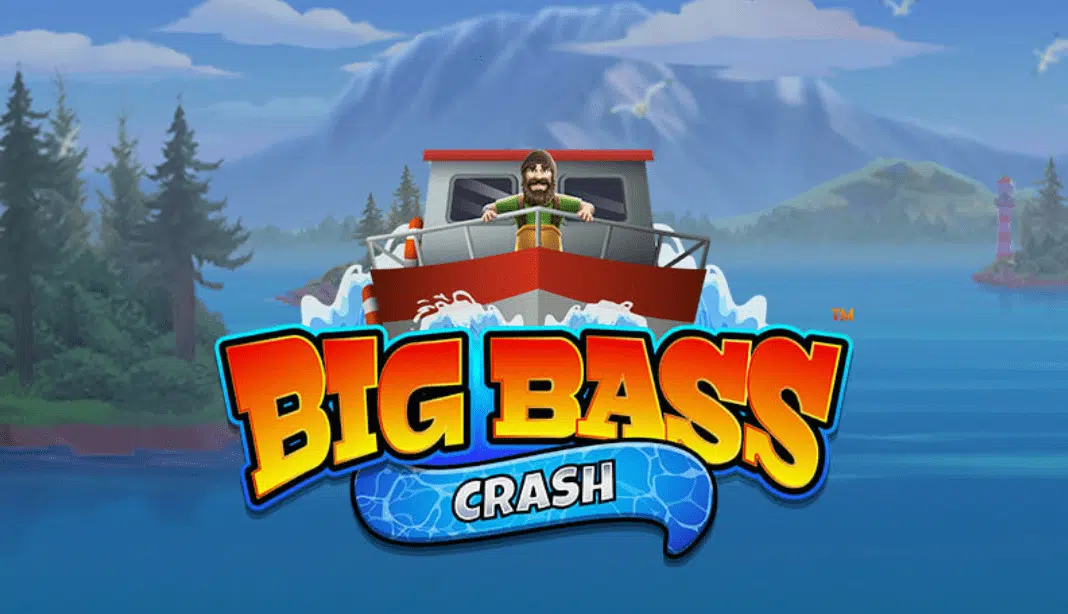
Online crash gaming usually provides quick bursts of adrenaline, all about fast moves and instant payoffs https://bigbasscrashcasino.ca. But a recent story changed that. A Canadian player pulled off something many thought was impossible: an incredibly long series of wins in Pragmatic Play’s Big Bass Crash. We don’t know the player’s name or their exact winnings, but the core point of a long chain of successful cash-outs has the gaming world discussing. This wasn’t just a lucky hour. It indicates someone who knows the game’s engine, controls risk with discipline, and holds a level head when most people would break. For anyone keen on crash games, from casual players to hardcore analysts, this event makes you stop and think about what it really demands to succeed.
Grasping the Big Bass Crash Game Mechanics
To understand why a prolonged winning streak is such a significant deal, you have to know how Big Bass Crash functions. It’s a crash game. You make a bet, and a multiplier commences climbing from 1x, moving up along a curve on your screen. Your sole job is to cash out before that multiplier crashes. The crash happens at a random, hidden moment, set by a provably fair algorithm. Cash out in time, and your bet gets increased by the number you secured. If the crash hits first, you miss that bet. Big Bass Crash presents this simple idea in a fishing theme from the well-known Big Bass Bonanza slots. You’ll notice fishing rods, tackle boxes, and that animated fisherman. As the multiplier climbs, special symbols can pop up, giving out instant cash prizes or collecting lures that lead to a free round. This introduces another layer to the waiting game beyond the basic cash-out choice.
The Role of Random Number Generators and Provable Fairness
All in Big Bass Crash is based on a Random Number Generator (RNG). Independent testers verify this RNG to make sure every crash point is completely random and unpredictable. The system is provably fair. In concept, players can review the result of any round to verify it was legitimate. This transparency counts. It shuts down any idea that the game is manipulated or that bets or past rounds influence the crash. Each round stands alone. In this environment, a winning streak is not proof someone beat the machine. It means they made well-considered decisions against a backdrop of pure chance. The RNG makes the crash moment unpredictable, so all the pressure falls on the player’s timing, their approach, and their nerves.
The Withdrawal Choice: Psychology of Timing
In Big Bass Crash, the single decision that counts is cashing out. There are no paylines or symbol combos to decipher. Just one button. That simple choice creates a massive psychological tug-of-war. As the number gets higher, greed battles fear. Exiting early at a low multiplier secures a minor, safe profit. But if the multiplier keeps soaring afterward, it feels like you missed out on money. Holding out for a bigger number enhances your potential win, but it also increases the chance you’ll get nothing when the game crashes without warning. The game becomes a direct test of your personal risk tolerance. A long winning streak reveals the player overcame this internal battle. They developed a steady, disciplined method for when to cash out, focusing on steady gains instead of chasing one huge, risky payout.
Consequences for the Larger Crash Gaming Community
The verified long winning streak in Big Bass Crash shook the international crash gaming scene. For one, it explained the genre. It demonstrated that while each round’s outcome is random, a player’s discipline and strategy can influence their results over a session. It changed how people see crash games. They’re not just pure, uncontrollable gambling. They’re an arena where skill understood as risk management and emotional control can manifest as real, measurable success. This sparked deeper analytical talk. Community forums now feature more detailed strategy guides and psychology tips, not just screenshots of big wins. The achievement created a new high bar to strive for.

It also underscored the importance of choosing your game and understanding its features. Big Bass Crash, with its bonus lure collection and free rounds, offers more strategic depth than a basic no-frills crash game. The streak showed how using these extra features can increase your overall profitability and help a session last longer. As a result, players are getting more selective. They’re evaluating crash games not just on how high the multiplier can go, but on the tools they provide for thoughtful, strategic play. This event propels the genre toward a more mature, analytical approach, building a community that shares insights on how to play sustainably.
Tactical Approaches Behind Sustained Success
Sustaining a win streak going in a chance-based game requires a framework that softens the blow of randomness. The Canadian player’s method, customized to their preferences, presumably relied on a couple of universal strategic pillars. The first and most crucial is bankroll management. This entails setting a rigid budget for your session and defining your bet size as a modest, fixed portion of that amount. By never gambling a large chunk of their funds on one round, the player guaranteed a unexpected crash wouldn’t clean them out. This safeguarded the capital necessary to keep playing and applying their strategy over numerous rounds. The second pillar is selecting your cash-out points beforehand. Able players often select their goal multiplier before the round actually starts. This eliminates the feeling out of the decision when the values are racing. The goal could be a set figure, for instance 2x, or a flexible one based on how recent rounds have played out.

Another possible strategic element entails observing patterns, with a giant warning label included. All round is independent, but some players monitor short-term patterns in crash points. They aren’t trying to foretell the unpredictable. They’re attempting to gauge the ongoing fluctuation of the game. For illustration, a run of three very quick crashes could nudge a player to cash out a bit faster on the next round. The key is to use these findings as gentle guidelines within a rigid plan, not as hard signals. Ultimately, leveraging the game’s bonus features intelligently is key. Working to accumulate lures for the free round feature provides you a secondary aim. It delivers advantage beyond the normal crash round, presenting guaranteed rewards and another way to secure a profit. A disciplined player would factor these bonus rounds into their overall session plan.
The Mental Strength Needed
More than any calculations or tactics, the mental game is where long winning streaks are made and destroyed. The Canadian player showed serious emotional discipline. Keeping a streak going demands a stoic commitment to your own rules, irrespective of recent outcomes. It means recognizing that losses are inherent in the game’s randomness, and not letting them make you abandon your plan. It also means managing the high of success. A series of wins can generate a feeling of invincibility that causes reckless, high-risk bets. The mental challenge is centered on consistency, patience, and pulling back from the emotional rollercoaster to focus on a longer-term goal.
Managing Variance and Near-Misses
A real test of mental strength is how you manage variance and near-misses. Variance is just statistical noise. It can mean encountering more crashes in a short period than the averages would suggest. A resilient player knows this and doesn’t discard a solid strategy during a short downswing. Near-misses are more torturous. Imagine withdrawing a split-second before the multiplier jumps to 100x. Or losing just after you decided to wait one more moment. These moments can mess with your head. They create stories of “almost” that tempt you to question everything about your approach. The skill is to see each round as its own event, to consider any win as a success no matter the size, and to ignore all the “what if” thoughts. The record streak indicates this player had that clinical level of detachment.
Structure of the Record-Breaking Streak
The Canadian player’s claimed streak was a authenticated sequence of successive winning rounds across several sessions. The exact number of wins is private, but sources say it was far outside normal statistics. The streak likely mixed low and high multiplier cash-outs. That hints at a strategy that was both flexible and tough. It’s unlikely the player kept aiming at enormous multipliers every time. Statistically, that approach would fail quickly. A more plausible analysis shows a model built on securing lots of smaller, reliable wins, then occasionally riding the multiplier higher when the moment felt right. This mirrors a principle from financial trading: consistent, modest gains often build more reliable profit over time than hunting for a few risky jackpots. The length of the streak suggests the player followed this rule without fail, avoiding the common trap of recovering losses or changing their whole plan after a couple of good rounds.
Verification and Community Verification
These days, a major gaming feat rarely stays secret. The Canadian player’s streak found its way into dedicated online gaming communities and forums. There, other players examined it closely. They analyzed shared screenshots, video clips, and platform data to check the wins were real and consistent. This kind of crowd-sourced verification is now a standard part of gaming culture. It turns big claims into trusted facts. The game’s provably fair system also let people do a basic audit of the round history. This verification process gives the achievement weight. It moved the story from rumor to a documented milestone for the Big Bass Crash community, creating a real target for others to strive toward.
Mixing Inspiration with Controlled Gaming Realities
The Canadian player’s story is a captivating look at strategy and mindset. But we have to temper that inspiration with the basic facts of responsible gaming. A long winning streak, no matter how notable, is a statistical outlier. The core mechanics of Big Bass Crash, like all crash games, are built on a negative expected value over time. This is determined by the game’s return-to-player (RTP) percentage. The RNG guarantees no strategy can erase the house edge in the long run. So, this story shouldn’t be seen as a guide for guaranteed profit. It’s an extraordinary example of maximizing success within a limited window. It reminds us that the main goal for any player should be fun. Any money spent is the price of that activity.
Knowing the difference between session strategy and long-term expectation is essential. A player can expertly manage a bankroll and keep their cool to get the best possible result during a single gaming session. That can lead to a positive outcome for that session, as the streak proved. But over thousands of sessions, the mathematical edge of the game always prevails. Therefore, the lessons here are about extending your enjoyment, managing your risk, and keeping control while you play a game for fun. They are not about finding a secret “winning system.” Celebrating the skill in such a streak must always come with clear reminders about the game’s random nature and the importance of playing within your limits, just for fun.
A New Milestone in Strategic Play
The longest winning streak in Big Bass Crash, attained by a player from Canada, is a landmark in online crash gaming. It demonstrates that inside a world of randomness, human decision-making and discipline can create remarkable stories of sustained success. The streak wasn’t a lucky accident. It was a verified win based on careful bankroll management, a pre-set plan, and, maybe above all, serious psychological toughness. It has broadened the community’s understanding of crash games, encouraging a more analytical and measured way to play. This achievement reshapes what skill means in a crash game. Skill isn’t about predicting the unpredictable. It’s about governing your own actions and reactions while you confront it. The inherent randomness and house edge in Big Bass Crash haven’t changed. But this story will endure as a compelling example for players who want to traverse its thrilling, volatile waves with more purpose and control.